
Does My Dog Need a Winter Coat? Temperatures, Breeds & When to Skip One
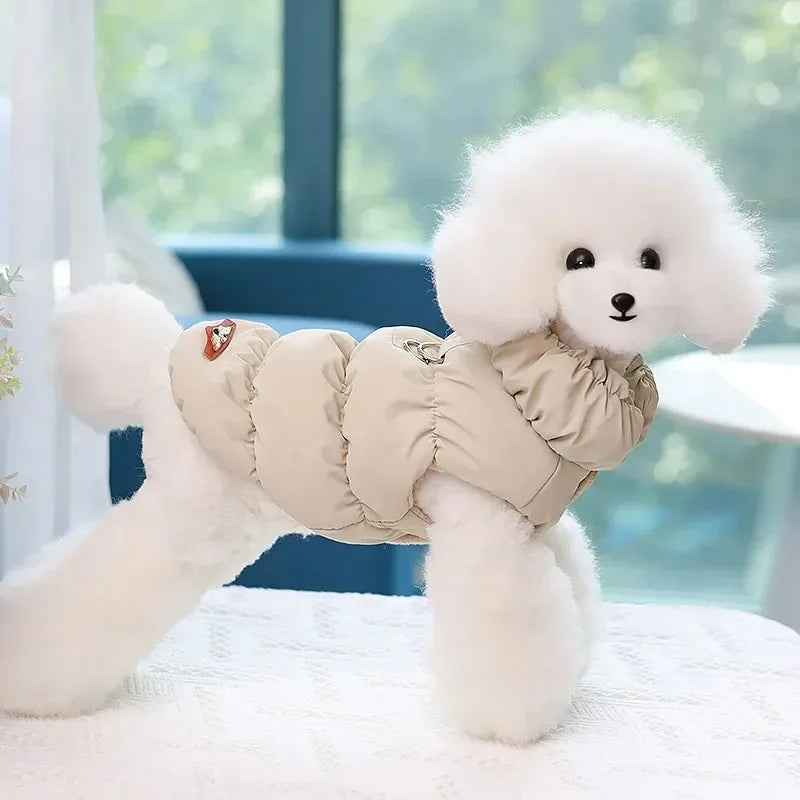
Does my dog need a coat? Many dogs don't, but plenty do. A healthy Husky, Malamute or thick-coated retriever is built for cold weather and usually manages fine without one. Small dogs, short-haired and lean breeds, puppies, seniors and dogs with certain health conditions lose heat quickly and are noticeably more comfortable in a coat once the temperature drops. This guide helps you decide based on temperature, breed, age and coat type, then choose the right kind of coat, fabric and level of warmth, and recognize when a coat is simply unnecessary.
Does My Dog Need a Coat? A Quick Answer by Dog Type
Dogs that usually benefit from a coat
- Small and toy breeds such as Chihuahuas, Toy Poodles, Yorkshire Terriers and Miniature Pinschers. Small bodies lose heat faster.
- Short, single-coated breeds such as Greyhounds, Whippets, Italian Greyhounds, Boxers, Dobermanns, French Bulldogs and smooth Dachshunds.
- Hairless or nearly hairless dogs, like the Chinese Crested.
- Short-legged dogs whose bellies sit close to cold, wet ground or snow.
- Puppies and senior dogs, which regulate body temperature less efficiently.
- Dogs with health issues such as arthritis, or conditions your vet says make cold harder to handle.
- Recently clipped or shaved dogs, until their coat grows back.
Dogs that usually don't need one
Double-coated breeds such as Siberian Huskies, Alaskan Malamutes, Samoyeds, Akitas, Bernese Mountain Dogs, Newfoundlands and Great Pyrenees have a dense undercoat designed for cold. Many Labradors, Golden Retrievers and German Shepherds are also fine in moderate cold. A coat can make these dogs overheat during activity. In very harsh, wet or windy conditions, even they may appreciate a light waterproof layer, but it's the exception, not the rule.
What Temperature Do Dogs Need a Coat?
There's no single cut-off, but this rule of thumb works well for most healthy dogs:
- Above about 45°F (7°C): most dogs are comfortable without a coat.
- 32–45°F (0–7°C): small, short-haired, lean, very young and older dogs may start to feel the chill. A light fleece layer often helps.
- 20–32°F (-7–0°C): a proper coat is a good idea for vulnerable dogs, and walks should be shorter.
- Below about 20°F (-7°C): limit time outside for all dogs. Vulnerable dogs need a well-insulated coat, and boots are worth considering.
Weather matters as much as the thermometer. Wind strips away warmth, and rain soaks fur so it stops insulating, which makes a mild, wet day feel much colder. Activity counts too: a dog running off-leash generates plenty of heat, while a slow, sniffy walk on a cold evening doesn't.
Signs Your Dog Is Cold
Your dog will tell you, if you know what to look for:
- Shivering or trembling
- Hunched posture with the tail tucked
- Lifting paws off the ground or walking gingerly
- Slowing down, stopping, or pulling to go home
- Seeking warm spots or burrowing under blankets back indoors
- Whining or seeming anxious outside
- Ears and paws that feel cold to the touch
Get your dog warm and contact a vet if you see weakness, lethargy, stiffness, confusion or pale gums, which can signal hypothermia. Pale or greyish skin on the ears, tail tip or paws can be a sign of frostbite.
How to Choose the Right Winter Coat
Match the warmth to your climate
Fleece is a light, soft layer for cool, dry days and chilly homes. Padded or puffer coats trap more heat for properly cold, dry weather. For stormy days, look for insulation combined with a wind- and water-resistant outer shell.
Water-resistant vs waterproof
Water-resistant fabric handles light rain and drizzle. Waterproof fabric keeps out steady rain and slush. Remember that a raincoat keeps a dog dry, but it isn't automatically warm.
Choose the right coverage
A jacket-style coat covers the back and chest, which is enough for most dogs. Full-body jumpsuits also cover the legs and belly, ideal for short-legged dogs, snow, mud and long-haired dogs that collect ice balls on their legs.
Look at the practical details
- A leash ring or harness opening, so you don't have to remove the coat on walks
- Easy fastenings such as snaps or hook-and-loop closures
- A cut that leaves shoulders free to move and allows toileting without soiling the coat
- Reflective strips for dark winter mornings and evenings
- A soft lining that won't rub under the front legs
Measure before you buy
Measure back length (base of the neck to base of the tail), chest girth at the widest point, and neck circumference, then check each product's size chart. Our dog clothing section covers sizing in more detail.
Coat Types Compared
- Fleece pullover or jacket: cool, dry days, chilly homes, layering. Light and soft, but not water-resistant.
- Padded puffer coat: cold, dry days. Very warm, especially for small dogs.
- Wind- and water-resistant jacket: wet, windy weather, any size of dog.
- Full-body winter jumpsuit: the coldest, wettest days, snow, short-legged dogs.
- Raincoat jumpsuit: mild rainy days. Keeps the dog dry and clean, adds little warmth.
Do Dogs Need Boots in Snow?
Not always. Many dogs walk happily in snow without them. Boots make sense when sidewalks are treated with salt or de-icers, when ice balls form between the toes of long-furred feet, on sharp, crusty ice, or in severe cold. Most dogs need time to get used to boots: start indoors with short sessions and treats. If your dog won't wear them, wipe and dry paws after every walk to remove salt and grit.
Step by Step: Deciding and Choosing
- Assess your dog: size, coat type, age and health.
- Check your typical winter temperatures, wind and rain.
- Watch your dog on a few cold walks for the signs listed above.
- Pick the coat type that matches your weather and your dog.
- Measure back, chest and neck, and compare with the size chart.
- Introduce the coat gradually at home with treats and praise.
- After the first walks, check for rubbing under the legs and gaps at the neck.
- Take the coat off once you're back indoors.
Common Mistakes (and When to Skip a Coat)
- Coating a double-coated dog by default. It can cause overheating and flatten the insulating undercoat.
- Leaving the coat on indoors. Dogs can overheat in a heated home.
- Leaving a wet coat on. Remove it, dry your dog and let the coat dry fully.
- Expecting a raincoat to keep a dog warm. Choose an insulated coat for cold.
- Ignoring the belly and legs on short-legged dogs in snow or slush.
- A poor fit. Too tight restricts movement; too loose lets cold air in and slips around.
- Leaving a dog unsupervised in a coat, where it could get snagged.
Skip the coat if your dog has a thick double coat and shows no signs of cold, if the dog is very active in moderate weather, or if the coat clearly distresses your dog. Shorter walks and a warm bed at home may be all they need.
Winter Coats and Gear at PETIFY
Browse our A Warm Winter for Dogs & Cats collection and the full Clothing range. A few options that fit the situations above:
- Padded Winter Coat for Small Dogs and Cats: thick padding and a soft collar, a strong pick for the best winter coat for small dogs on cold, dry days.
- Soft Fleece Pullover for Small Dogs & Cats: a light, soft layer for cool days and chilly homes.
- Wind- & Water-Resistant Winter Jacket, Up to Large Dogs: resists wind and light rain, has a leash ring, sizes XS to 6X.
- Warm Winter Dog Jumpsuit with Leash Ring: covers body and legs, wind- and water-resistant, with reflective strips.
- Dog Raincoat for Small & Medium Dogs: keeps body and legs dry on rainy walks.
- Silicone Rain Boots for Small Dogs, Set of 4: stretchy silicone that keeps out water and mud.
Not sure which one suits your dog? Email us at support@petify-online.com.
FAQ
At what temperature does a dog need a coat?
As a rule of thumb, vulnerable dogs (small, short-haired, young, senior) may need one from around 45°F (7°C), and most of them should wear one below freezing. Wind and rain make it feel colder.
Is a coat bad for double-coated breeds?
Usually it's unnecessary and can cause overheating. Their undercoat already insulates. Consider one only in extreme, wet conditions or if your vet advises it for an older or unwell dog.
What is the best winter coat for small dogs?
For cold, dry days, a padded coat with good chest coverage. For wet days, a water-resistant jumpsuit that also protects the belly and legs.
Do dogs need boots in snow?
Not always. Boots help with road salt, ice balls between the toes, sharp ice and severe cold. Otherwise, wiping paws after walks is often enough.
Should my dog wear a coat indoors or overnight?
Generally no. Remove it indoors to prevent overheating. Hairless or very elderly dogs in a cold home may wear a light sweater under supervision.
Buy 2 products, save 15% · 3 or more, save 25%
Shop the deals